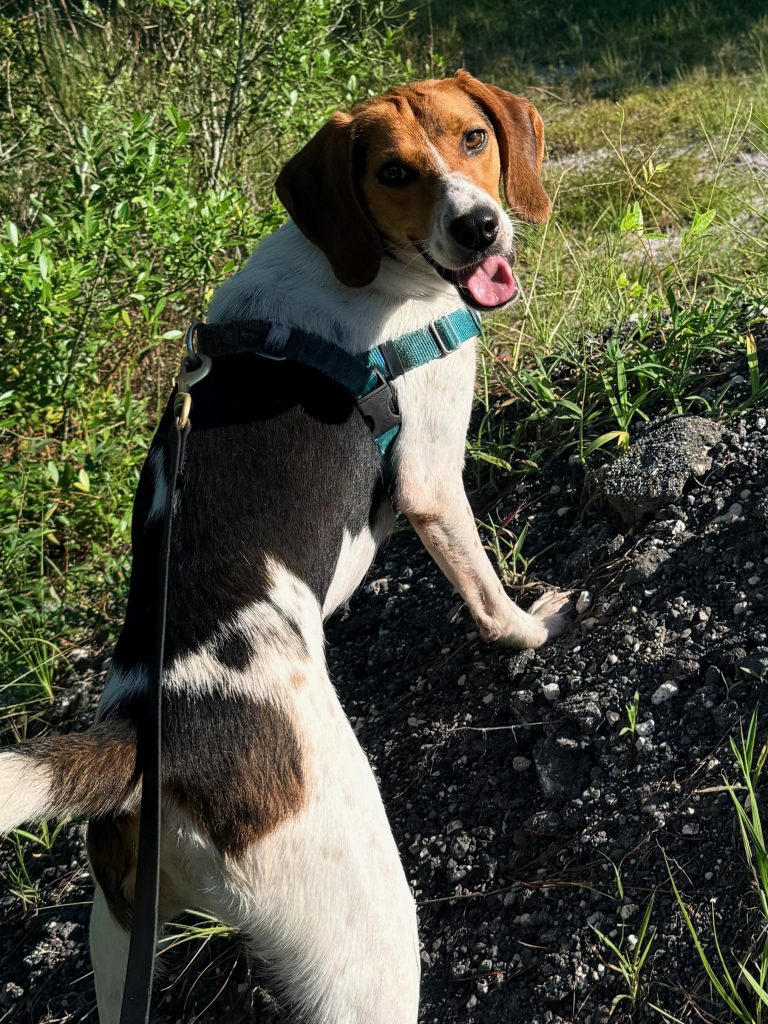
Every service begins by understanding what is happening, what your dog is communicating, and what meaningful progress would look like for your family.
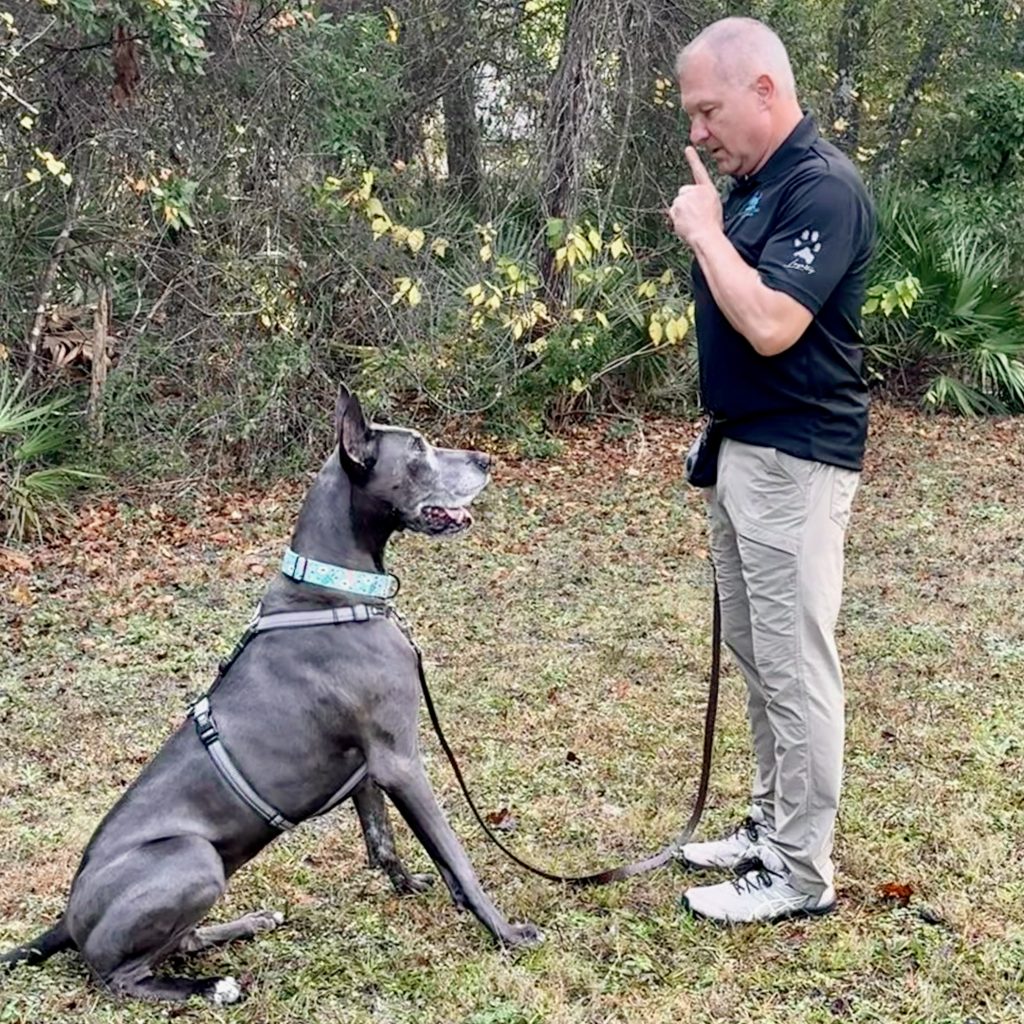
Families who want personalized, hands-on coaching for fear, reactivity, anxiety, aggression, resource guarding, or other behaviors affecting everyday life.
Sessions are conducted with you and your dog together. Bruce works with and supports both you and your dog, demonstrating appropriate training techniques and coaching you as you practice. The service includes a detailed intake, personalized roadmap, practical training exercises, and focused homework to continue between sessions.
We look beyond the behavior itself to understand what may be driving it. From there, Bruce establishes clear priorities, helps make everyday situations more manageable, and provides reward-based training. Through owner coaching, you learn what to practice, why it matters, how to recognize progress, and what to do when your dog struggles. The goal is to help both you and your dog build the skills and confidence needed for lasting improvement.
Day Training is designed for busy owners who want professional training for their dog while managing work, appointments, family, or other responsibilities. Your dog remains at home and is never sent to a training facility.
Bruce works directly with your dog during the day on agreed-upon training goals, without requiring you to be present for primary training sessions. You receive progress updates and owner-transfer coaching sessions to learn how to continue the work at home.
Unlike board-and-train, your dog stays connected to home and family while receiving focused daytime training. Bruce helps build practical skills in real-life environments, then coaches you on transferring those skills into normal family routines for lasting results.
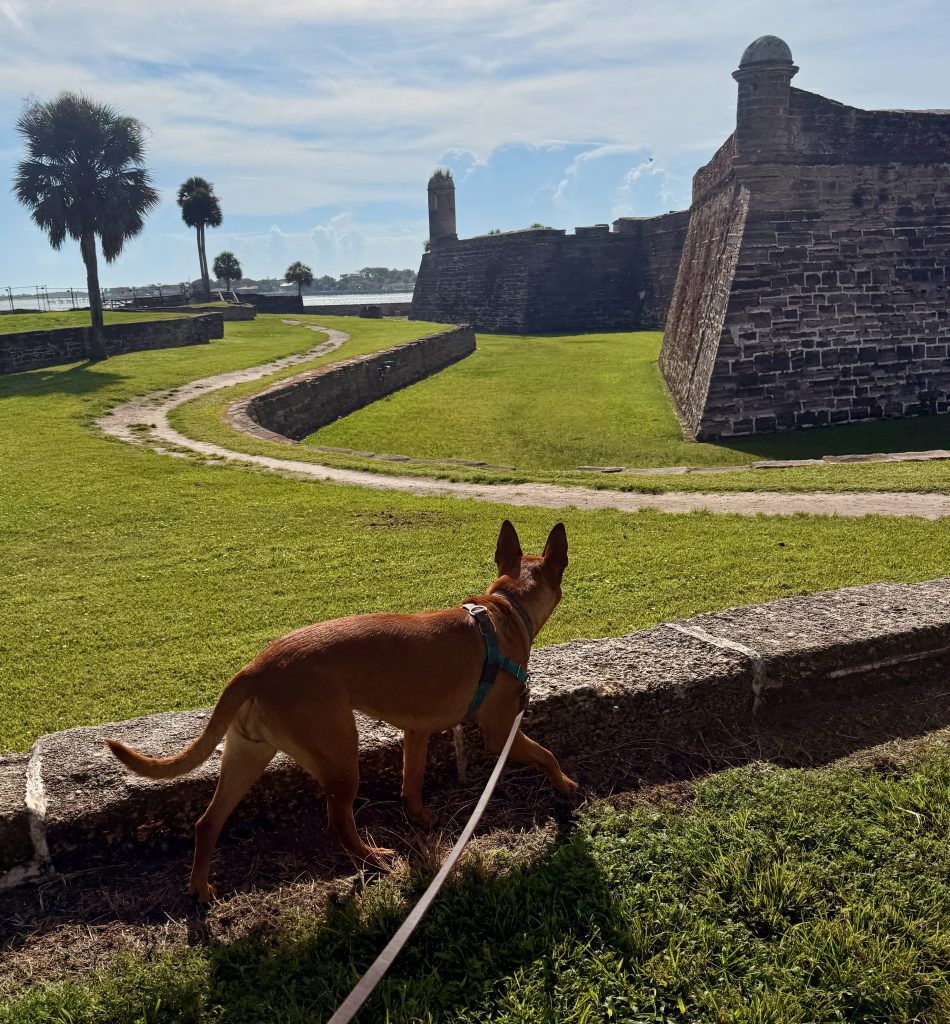
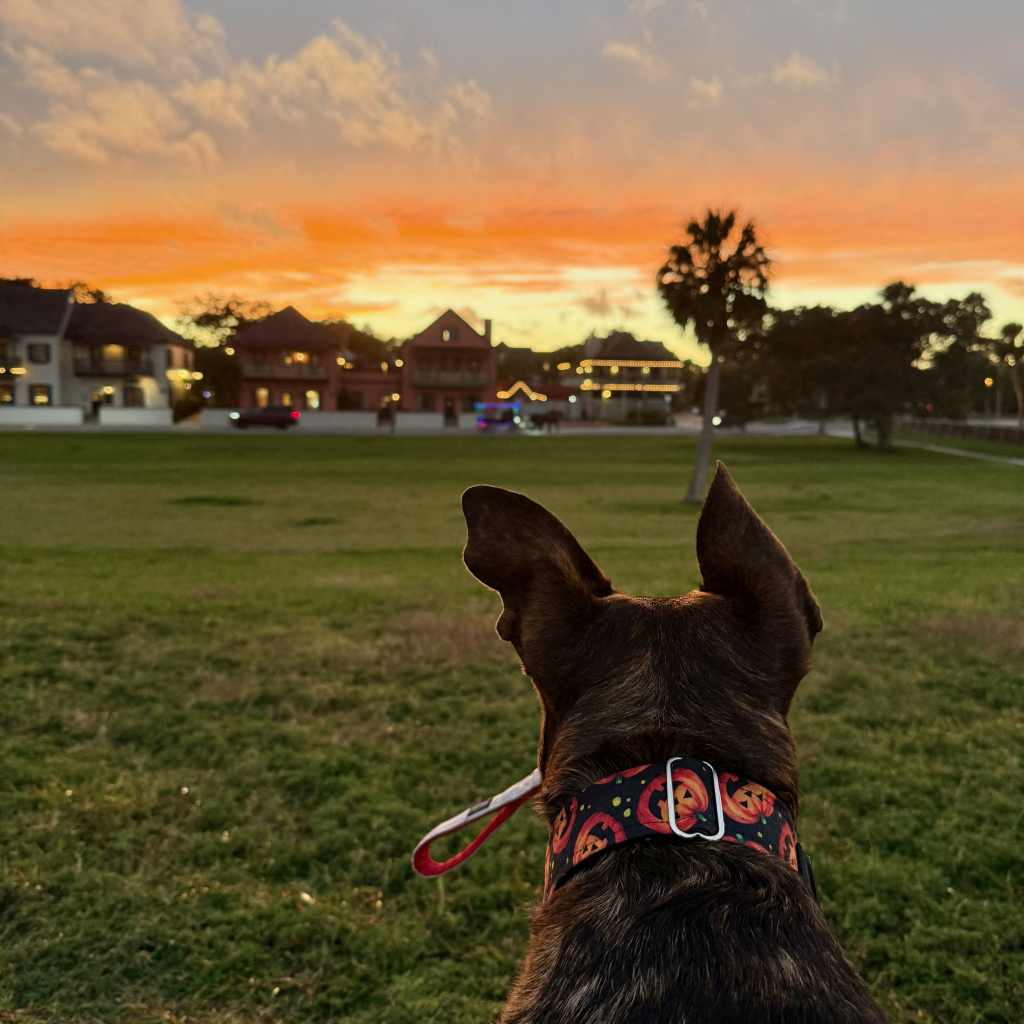
Owners whose dogs pull, become over-aroused outdoors, react to dogs or people, worry about their surroundings, or struggle to stay connected during walks.
Bruce works directly with your dog during the walk, focusing on leash skills, engagement, calm behavior, and navigating everyday distractions. You do not need to attend the session. Bruce provides follow-up guidance so you understand what was practiced and how to continue those skills on your own walks.
Unlike Private Behavior Coaching, Walk & Train focuses specifically on practical walking skills rather than broader behavior concerns. Unlike Day Training, sessions are centered on walks and outdoor behavior. The goal is to create safer, calmer, and more connected walks while giving you the tools to maintain progress.
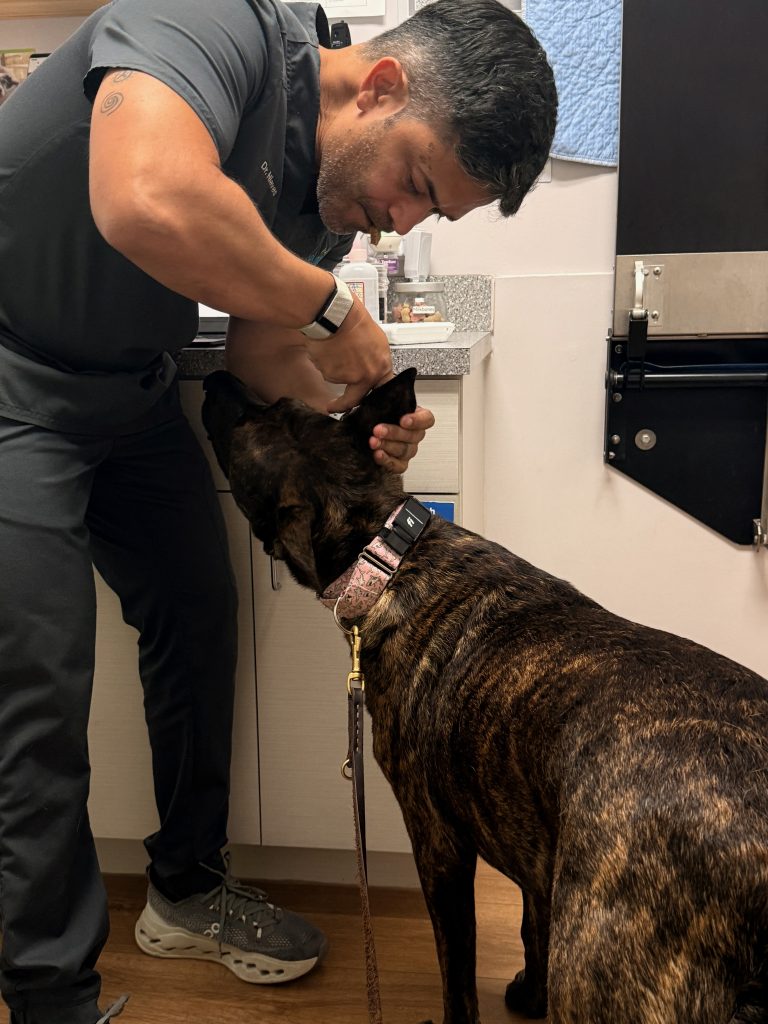
Dogs who feel fearful, anxious, or uncomfortable during grooming, veterinary visits, nail trims, brushing, ear cleaning, or other routine handling and care procedures.
Bruce works directly with you and your dog to build comfort with necessary care and handling. Sessions may focus on nail trims, grooming, veterinary examinations, ear cleaning, or other procedures your dog finds difficult. You’ll also receive practical guidance for continuing the exercises at home and reinforcing progress between sessions.
Cooperative Care focuses on helping your dog feel safer and more comfortable during necessary handling rather than forcing them through stressful situations. Using gradual, reward-based training, Bruce works at your dog’s individual pace to build trust, confidence, and cooperation. The goal is to make everyday care easier and less stressful for both you and your dog.
For aggression, bite incidents, or serious or complex safety concerns, Bruce may recommend a Professional Behavior Assessment after initial discussions. This service cannot be selected or booked as the first step.
The assessment includes a comprehensive behavior-history review, direct observation when appropriate, risk and safety considerations, management guidance, and recommended next steps. You will receive a written case summary and professional recommendations. Documentation may also help when requested by involved professionals or agencies.
The assessment does not automatically include ongoing training and does not replace veterinary evaluation or medical diagnosis when health-related factors may be involved.